Choosing decking is about more than selecting a colour or finish. The material will influence how your outdoor space looks, how it feels underfoot and how much attention it requires over time.
WPC Decking and Bamboo Decking are both durable, contemporary options suited to Cyprus homes and commercial projects. However, they offer different qualities. WPC prioritises convenience and consistency, while bamboo delivers the character and performance of a natural material.
Understanding these differences can help you select the right solution for your terrace, pool area, garden or commercial space.
What is WPC Decking?
WPC Decking is a wood-plastic composite made from approximately 55% wood fibre, 35% HDPE and 10% additives. This composition combines the visual warmth of timber with the durability and practicality of modern composite materials.
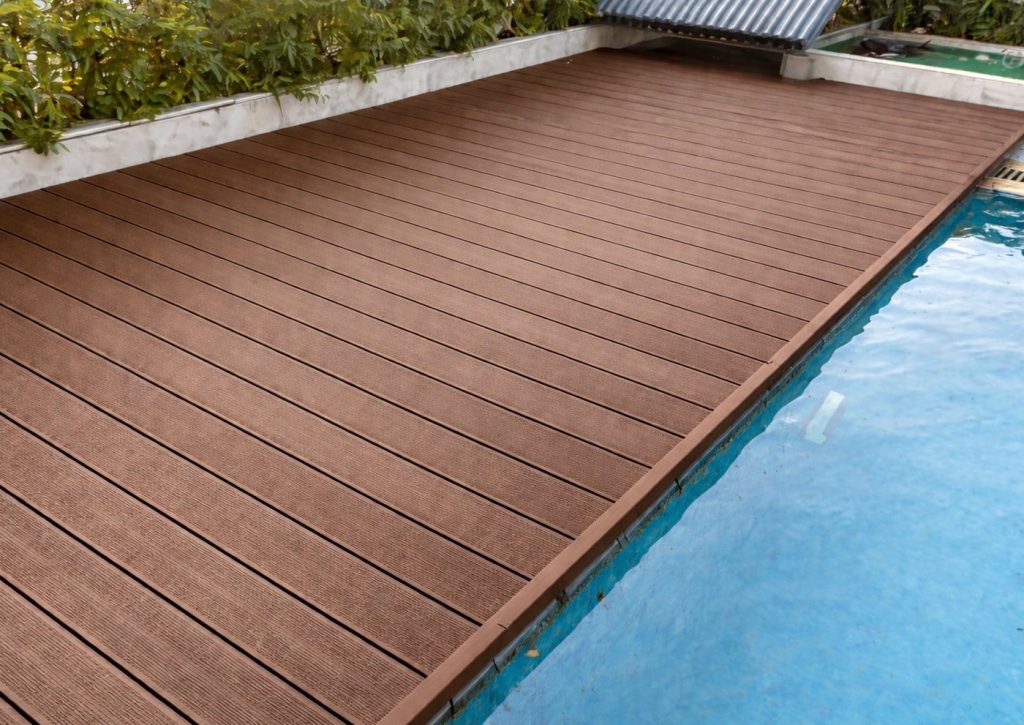
The latest generation of WPC boards includes a protective outer film that helps prevent stains and supports resistance to moisture, sunlight and everyday wear. This makes WPC particularly suitable for outdoor areas exposed to Cyprus weather conditions, including intense sunshine, rain and water around swimming pools.
WPC Decking is also FSC certified and is available from Fixmor in Teak and Walnut finishes.
Why choose WPC Decking?
The main advantage of WPC is its minimal maintenance. It does not require regular sanding, oiling or staining, making it an appealing option for homeowners and businesses looking for an outdoor surface that remains easy to manage.
Its consistent colour and grain create a clean, uniform appearance that works well with contemporary architecture. A concealed clip installation system keeps the surface free from visible screws, contributing to a neat and uninterrupted finish.
WPC is a practical choice for:
- Pool surrounds
- Terraces and balconies
- Rooftops
- Garden paths
- Restaurants and hospitality spaces
- Commercial outdoor areas
Fixmor’s WPC Decking carries a 10-year warranty and has an expected service life of more than 20 years when correctly installed and used.
What is Bamboo Decking?
Bamboo Decking is produced from thermally treated bamboo fibres. These fibres are heat-pressed into a dense, non-cellular material with high resistance to moisture, abrasion and insects.
Although bamboo is a natural material, this manufacturing process gives it impressive strength and dimensional stability. It performs reliably under demanding outdoor conditions and offers greater density and hardness than several traditional hardwood species.
Bamboo also has a distinctive natural appearance. Its tonal variation and surface character give outdoor spaces a warmer, more organic identity that develops gracefully over time.
Why choose Bamboo Decking?
Bamboo Decking is designed for projects where natural character, durability and environmental considerations are important.
Bamboo reaches full maturity in approximately eight years, making it a rapidly renewable resource compared with many traditional hardwood trees. Its use can therefore help reduce pressure on forests while providing a strong material for outdoor construction.
The boards have an anti-slip surface and are unaffected by termites or other insects. They do not require sanding cycles or insect treatment. Maintenance consists of one treatment after the first two years, followed by annual treatment to help preserve the material’s appearance and performance.
Bamboo Decking is well suited to:
- Terraces and gardens
- Pool areas
- Rooftop spaces
- Contemporary residences
- Hotels and restaurants
- Commercial projects
- Wall cladding and shading applications
Appearance and character
The visual difference between the two materials is one of the most important considerations.
WPC provides a controlled and consistent finish. The boards have the appearance of wood, but variation between individual pieces is limited. This makes WPC ideal for projects seeking a precise, contemporary look.
Bamboo has the variation expected from a natural material. Its texture and tones give each installation a more individual identity. It is particularly effective in projects that use stone, concrete, planting and other natural finishes.
Neither option is universally better. The right choice depends on the atmosphere you want to create.
Maintenance and everyday use
For the lowest possible level of maintenance, WPC has the advantage. Routine cleaning is generally enough, with no need for annual oiling, sanding or staining. Its protective film also helps resist stains, which can be useful in dining areas, family gardens and hospitality spaces.
Bamboo requires some periodic care, but considerably less than many conventional timber decks. The annual treatment helps maintain its colour and finish, while the dense material continues to provide strength, stability and resistance to insects.
Property owners who prefer convenience may lean towards WPC. Those who value the appearance and ageing process of a natural material may find bamboo more rewarding.
Making the right choice
Choose WPC Decking if your priorities are minimal maintenance, a uniform appearance, stain resistance and long-term practicality.
Choose Bamboo Decking if you prefer a natural surface, high density, excellent stability and a rapidly renewable material with distinctive character.
The location, intended use, surrounding architecture and maintenance expectations should all guide the final decision. A busy pool area may have different requirements from a private rooftop terrace or a restaurant garden.
Fixmor supplies both WPC and Bamboo Decking solutions for residential and commercial projects across Cyprus. Speak with the Fixmor team about your space, and we will help you identify the decking option that best matches your design and practical requirements.